


You want your agency’s work to shine, every single time. But without a solid quality-control process, mistakes slip through, clients get frustrated, and your reputation takes a hit.
Imagine having a simple, step-by-step checklist that helps you catch issues early, maintain consistent standards, and deliver flawless results. You’ll discover exactly how to build that quality-control process tailored for agencies like yours. Plus, you’ll get a practical checklist you can start using today to boost your team’s efficiency and keep your clients coming back for more.
Ready to transform your quality game? Let’s dive in.
Quality control ensures products meet set standards and satisfy customers. It involves several key elements that help agencies maintain consistency and reduce errors. Understanding these elements helps create a strong quality control process.
Each element focuses on a specific area of the product or process. Together, they build a clear framework for quality assurance. This section explains the main components every agency should include.
Product requirements define the exact features and functions products must have. They include size, material, color, and performance standards. Clear requirements guide production and inspections. They reduce confusion and ensure all parties understand what is expected.
Packaging protects products during shipping and storage. It must meet safety and branding rules. Standards cover materials, labeling, and design. Proper packaging prevents damage and maintains product quality. It also supports a professional brand image.
On-site testing checks products at the production location. It helps find problems early before products move forward. Tests may include measurements, function checks, and visual inspections. Regular on-site testing improves reliability and reduces costly mistakes.
Defect classification sorts errors by type and severity. Categories like critical, major, and minor help prioritize fixes. This system makes it easier to track common issues and improve processes. Clear classification speeds up decision-making and quality reviews.
Team collaboration connects importers, suppliers, and quality control staff. Sharing information ensures everyone is aligned on quality goals. Open communication helps solve problems quickly. Strong teamwork creates a smoother quality control process and better results.

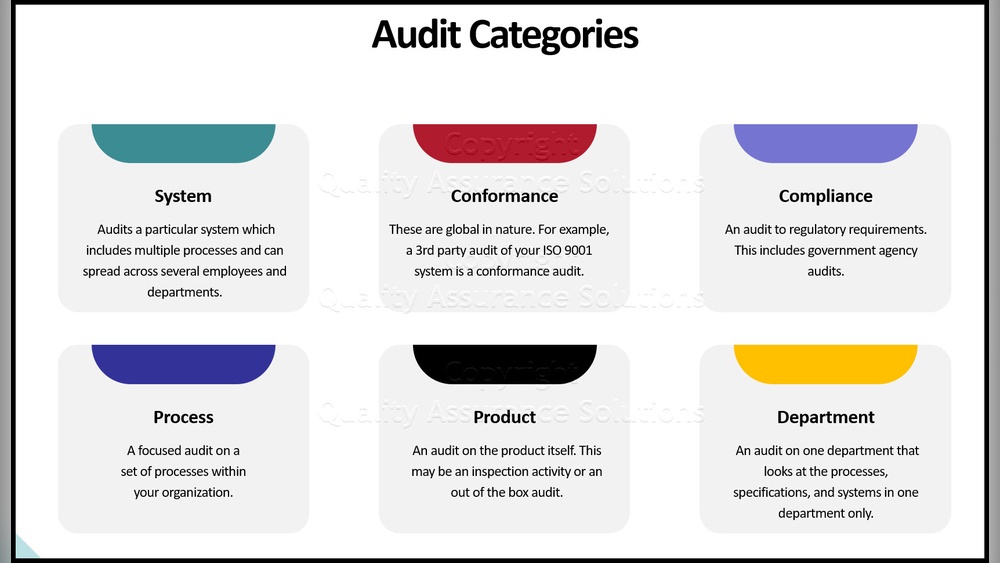
Credit: pshra.org
Creating effective checklists is essential for maintaining high quality in agency workflows. A well-designed checklist guides teams through each step clearly and thoroughly. It helps catch errors early and ensures consistent results across projects.
Checklists simplify complex tasks. They keep everyone aligned and focused on key quality points. Agencies can save time and reduce rework by following a clear, structured checklist. The checklist should be easy to use and adaptable to different projects.
The main purpose of a checklist is to ensure no important step is missed. It acts as a quality gatekeeper throughout the process. Checklists help teams maintain standards and improve accountability.
They provide a clear list of tasks and criteria to verify quality. This reduces confusion and errors. A checklist also helps new team members understand the workflow quickly.
Include only relevant and clear criteria in the checklist. Each item should be specific and measurable. Avoid vague or broad statements that cause confusion.
Focus on critical quality points that impact the final outcome. Cover areas like functionality, design accuracy, compliance, and documentation. Prioritize checks that reduce risks and improve client satisfaction.
Organize the checklist logically by grouping related tasks together. Use headings and subheadings to separate phases or sections. This makes the checklist easier to follow.
Use simple language and short sentences for clarity. Include checkboxes or spaces for notes to track progress. Keep the checklist concise to avoid overwhelming users.
Quality control varies across product types. Each product demands unique checks to ensure it meets standards. Agencies must tailor their quality control process to fit the product’s nature and use. This section breaks down quality control methods for software, customer service, and physical products.
Quality control for software focuses on functionality, performance, and security. Test every feature to confirm it works as expected. Check for bugs, errors, and broken links. Evaluate loading speed and responsiveness on different devices. Security tests protect user data and prevent breaches. User experience should be smooth and intuitive. Regular updates and patches fix issues and improve stability.
Customer service quality control measures communication and response. Listen to calls and review chat transcripts for tone and clarity. Ensure representatives provide accurate information quickly. Monitor response times across channels. Track customer satisfaction through surveys and feedback. Train agents regularly to maintain consistent service quality. Address complaints promptly and use them to improve service.
Physical products require checks on materials, assembly, and packaging. Inspect raw materials for defects before production. Monitor manufacturing steps to avoid errors. Test finished products for durability and functionality. Packaging should protect the product and display clear information. Verify labels and instructions are correct. Conduct random sampling to maintain consistent quality.
The quality-control (QC) process ensures that agency outputs meet high standards. It involves clear, organized steps to detect and fix problems early. Following these steps helps maintain consistency and client satisfaction. The process breaks down into three main phases: preparation and planning, testing and execution, and review and documentation.
Start by defining quality standards and goals. Identify the criteria your work must meet. Gather all resources and tools needed for testing. Assign roles to team members clearly. Create a checklist that covers every critical point. Planning sets a strong foundation for effective quality control.
Test the product or service against the checklist items. Use different methods such as manual checks and automated tools. Record any defects or issues found during testing. Ensure every feature works as expected and meets standards. Keep testing thorough but efficient to save time and effort.
Analyze test results carefully to spot patterns or repeated errors. Document all findings clearly and in detail. Share reports with the team and stakeholders for transparency. Use this information to improve processes and prevent future issues. Proper documentation ensures accountability and supports continuous quality improvement.
Quality control (QC) checklists bring clear benefits to agencies. They help teams deliver better work by keeping processes organized. Using checklists reduces errors and saves time. They also make it easier to keep quality consistent across projects. Below are key benefits that highlight why agencies should use QC checklists.
QC checklists ensure every important detail is reviewed. Teams follow each step without skipping tasks. This reduces the chance of missing critical issues. Thorough checks lead to higher quality results. The checklist acts as a guide, covering all necessary points.
Checklists streamline the QC process by providing clear steps. Teams spend less time figuring out what to do next. This cuts down on wasted effort and rework. A systematic approach helps finish tasks faster. Efficiency improves without sacrificing quality.
Using QC checklists creates a consistent review process. Different team members follow the same criteria. This leads to uniform quality across projects. Standardization helps agencies meet client expectations reliably. It also simplifies training new staff.
Checklists catch defects early before they grow into bigger problems. Early detection means fewer fixes after delivery. This improves product performance and client satisfaction. Better outcomes strengthen agency reputation and trust. Ultimately, checklists help teams deliver their best work.
Credit: www.researchgate.net
Implementing quality control (QC) checklists helps agencies maintain high standards consistently. A clear strategy ensures every team member understands their tasks. Proper execution reduces errors and improves client satisfaction. Follow these tips to make your QC checklist effective and easy to use.
Train your team on the checklist’s purpose and use. Explain each item clearly to avoid confusion. Use real examples to show common mistakes and fixes. Practice with the checklist until everyone feels confident. Regular training keeps skills sharp and knowledge fresh.
Update the checklist to match current standards and client needs. Review it after each project or quarterly. Remove outdated steps and add new quality requirements. Keep the checklist simple and relevant to avoid overwhelming the team. Regular updates improve accuracy and effectiveness.
Assign specific roles for checklist tasks to avoid overlap. Define who checks what and when to check it. Clear roles create accountability and speed up the process. Make sure everyone knows their responsibilities well. This clarity prevents missed steps and confusion.
Encourage team members to share feedback about the checklist. Discuss what works and what needs improvement. Use their input to refine the checklist and process. Collaboration builds ownership and better quality results. Feedback loops keep the checklist practical and user-friendly.
A Sample QC Checklist for Agencies helps maintain high standards consistently. It guides teams to check every detail carefully. This checklist covers product quality, service performance, and proper documentation. Using a clear checklist reduces errors and speeds up the review process. Teams follow the same steps, ensuring uniform quality across projects.
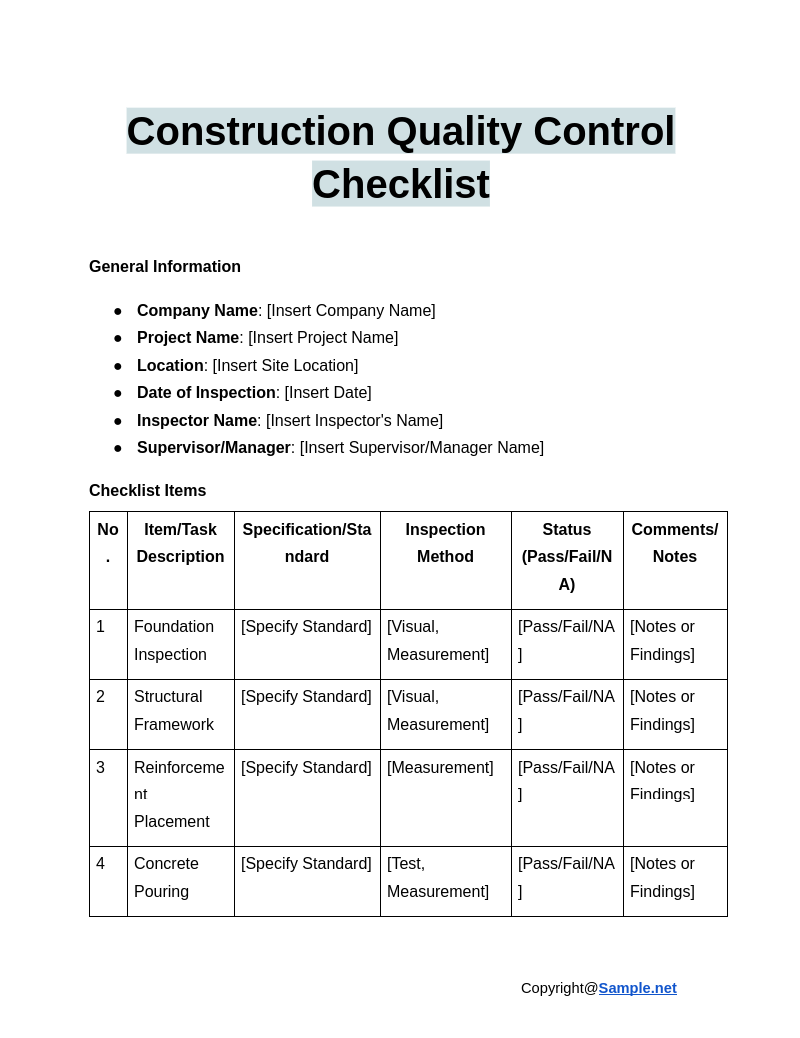
Credit: www.sample.net
The five essentials of a quality control checklist are product specifications, inspection procedures, defect classification, documentation, and team collaboration. These ensure consistent quality, thorough inspections, clear issue identification, proper records, and effective communication among stakeholders.
A checklist in quality control is a standardized tool listing criteria to ensure products or processes meet quality standards. It guides inspections, verifies specifications, and documents compliance. This tool helps identify defects, maintain consistency, and improve overall product quality effectively.
The QC process checks product specifications, packaging, defects, functionality, performance, and compliance with quality standards. It includes inspection, testing, and collaboration between teams to ensure products meet requirements before release.
A QA checklist is a structured list of tasks and criteria used to verify a product meets quality standards before release. It ensures consistency, detects defects early, and improves user experience across testing stages.
A strong quality-control process helps agencies deliver consistent results. Using a clear checklist keeps every step organized and thorough. It reduces errors and improves client satisfaction. Regular checks catch problems early, saving time and costs. Teams work better with a shared standard for quality.
Follow the checklist closely to maintain high standards every time. This approach builds trust and strengthens your agency’s reputation. Quality control is not just a task; it is a vital habit for success.







Leave A Reply Now