


Are you ready to create courses that truly connect with your learners and make information stick? How you structure your courses, modules, and lessons can either boost understanding or leave your audience confused and frustrated.
When you design your content with clear goals, logical flow, and engaging activities, you help your learners absorb and apply knowledge more effectively. You’ll discover simple yet powerful ways to organize your course materials so your students stay motivated and achieve real learning success.
Keep reading to unlock the secrets of building courses that work—and keep your learners coming back for more.
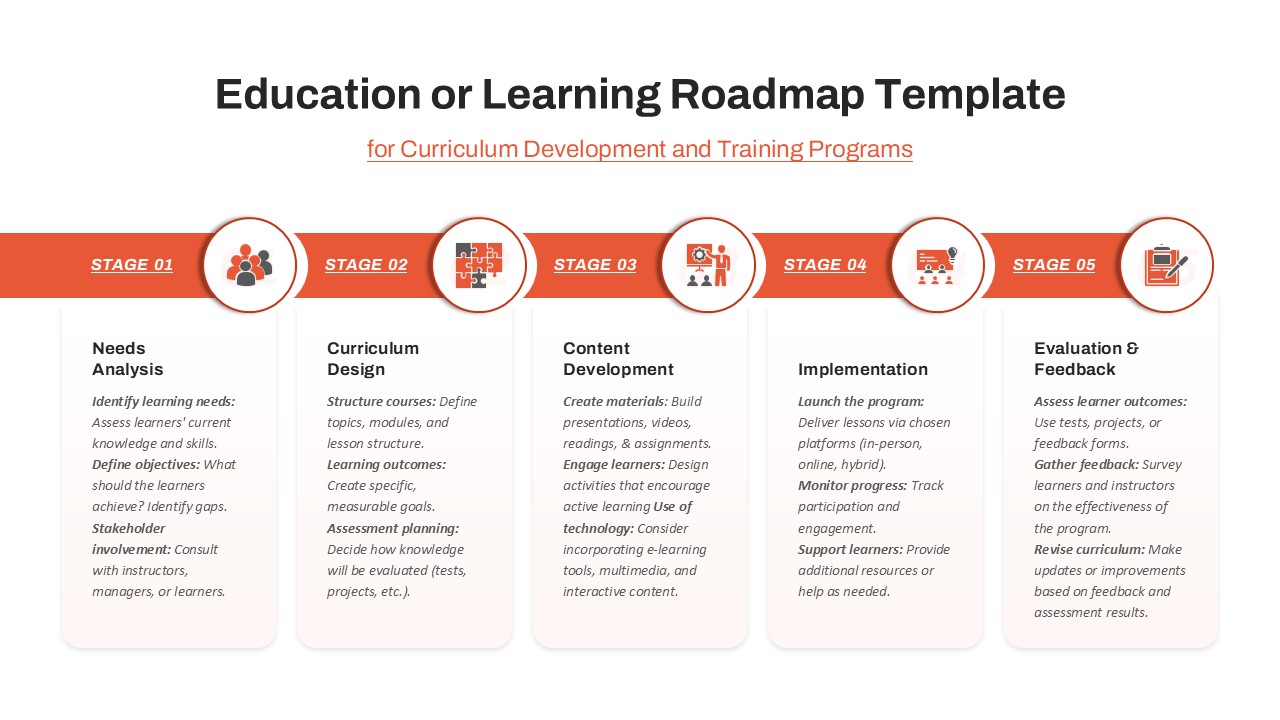
Credit: www.slidekit.com
Setting clear learning goals is the foundation of effective course design. Goals guide both the instructor and the learner through the course journey. They create focus and direction, making learning purposeful and measurable.
Clear goals help learners understand what they will achieve. They boost motivation and engagement by showing real benefits. Well-defined goals also assist in organizing course modules and lessons logically.
Start by listing the skills learners should gain. These can be knowledge-based, practical, or soft skills. Focus on skills that match the course topic and audience needs.
Be specific about what learners will do with these skills. For example, “Write a basic HTML page” is clearer than “Learn HTML.” Target skills give a clear learning direction.
Match learning goals to measurable outcomes. Outcomes show how learners demonstrate their skills. Use action verbs like “explain,” “create,” or “analyze” for clarity.
Ensure every module and lesson supports at least one learning goal. This alignment keeps the course focused and efficient. It also helps in assessing learner progress accurately.

Credit: help.graphy.com
Organizing course content is crucial for effective learning. Clear structure helps learners follow the material easily. It reduces confusion and keeps students motivated. Well-organized content also supports better retention and understanding.
Group topics that share common themes or ideas. This creates focused modules that feel connected and purposeful. Learners can build knowledge step-by-step within each group. Avoid mixing unrelated subjects in the same section. Clear groupings make the course easier to navigate.
Arrange lessons in a natural order that matches learning goals. Start with basic concepts and move toward advanced ones. Each lesson should prepare students for the next topic. Logical flow helps learners connect ideas smoothly. This approach supports continuous learning without confusion.
Designing effective modules is key to enhancing learner engagement and understanding. A well-crafted module organizes content logically and makes learning manageable. It breaks down complex topics into clear, digestible parts. This approach helps learners focus on one idea at a time.
Effective modules also guide learners through the material smoothly. They create a path that feels natural and easy to follow. This structure improves retention and reduces confusion. Careful design ensures learners build knowledge step-by-step.
Start each module with a clear goal. Define what learners will achieve by the end. Use simple language and avoid jargon. Break content into small, focused sections. Arrange these sections in a logical order. Keep each section short and to the point. Use headings and bullet points to organize information. This helps learners find key points quickly. Clear structure reduces overload and boosts confidence.
Use different types of materials to hold attention. Combine text, videos, and images for better understanding. Add quizzes or exercises to reinforce learning. Real-life examples help learners relate to content. Interactive elements make lessons more engaging. Varying materials caters to different learning styles. It keeps learners interested and motivated. This variety makes learning more effective and enjoyable.
Creating engaging lessons is key to effective learning. Lessons should capture learners’ attention and keep them motivated. Clear goals and active participation help students understand and remember content better.
Engaging lessons break down complex ideas into simple steps. They mix different activities to suit various learning styles. This approach makes learning fun and meaningful for everyone.
Start each lesson by setting clear objectives. Objectives tell learners what they will know or do by the end. Use simple, specific language to describe these goals. This focus helps both teachers and students stay on track.
Objectives guide lesson planning and assessment. They also help learners see the lesson’s purpose. Clear objectives increase motivation and improve learning outcomes.
Use interactive activities to involve learners in the lesson. Activities like quizzes, discussions, and group work boost engagement. They make learners think and apply what they learn.
Interactive tasks break the routine and keep learners active. They encourage questions and deepen understanding. Including various activities supports different learning preferences and keeps the class lively.
Choosing the right teaching methods shapes how learners absorb and retain information. Methods that suit different learning styles improve understanding and engagement. Effective teaching blends various approaches and adapts to learners’ needs. This section explores how to use teaching methods that work for better course structure.
Combining multiple teaching styles reaches more learners. Use lectures for clear explanations and videos for visual learning. Add discussions to encourage interaction and problem-solving exercises to build skills. Mixing methods keeps lessons dynamic and holds attention. This variety helps learners connect with the material in different ways.
Not all learners grasp content the same way. Adjust teaching based on skill levels and learning preferences. Provide extra practice for beginners and challenging tasks for advanced students. Use simple language for those who need it and offer detailed resources for deeper study. Differentiation ensures every learner finds a path to success.
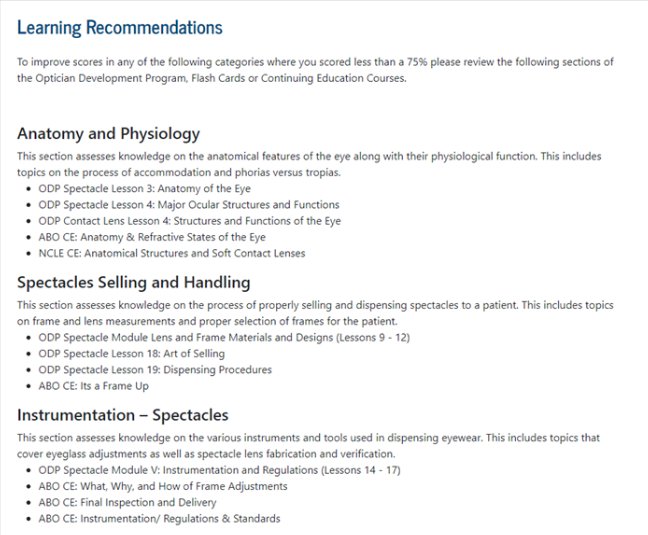
Credit: opticaltraining.com
Creating supporting resources enhances the learning experience. These resources help learners check their understanding. They also offer extra practice and clarify difficult topics. Well-designed resources keep learners engaged and motivated.
Quizzes test knowledge after each lesson or module. They help learners remember key points. Use simple questions like multiple choice or true/false. Short quizzes avoid overwhelming students. Regular assessments track progress and identify weak areas. Instant feedback guides learners to improve quickly. Make quizzes relevant to the course goals.
Supplementary materials support the main content. Include items like cheat sheets, slides, or summaries. Visual aids such as charts or diagrams simplify complex ideas. Offer downloadable files for offline study. Extra readings deepen understanding for interested learners. Keep materials clear and easy to use. Variety in resources addresses different learning styles.
Planning course logistics is a critical step in designing effective learning experiences. It sets the foundation for smooth course delivery and clear communication. Careful logistics planning helps learners stay on track and understand expectations. Organizing schedules and guidelines early prevents confusion and keeps everyone aligned.
Define clear timelines for each module and lesson. This helps learners manage their time well. Use consistent intervals between lessons to build routine. Deadlines encourage learners to complete tasks promptly. Announce schedules before the course starts to set expectations. Flexibility can be included but keep core dates fixed. Regular reminders help learners stay focused and motivated.
Explain how learners should engage with the course. Specify rules for discussions, assignments, and group work. Clarify how often learners must participate to succeed. Set standards for respectful communication and collaboration. Outline the consequences of missing deadlines or inactive participation. Clear guidelines create a positive learning environment. They also support fair assessment and accountability.
Refining course design is a vital step to improve learning outcomes. It helps make courses clearer, more engaging, and easier to follow. By focusing on refinement, instructors can better meet learners’ needs and boost knowledge retention.
Continuous improvement in course structure shapes a strong learning experience. Small changes can lead to better understanding and higher satisfaction. Refinement also helps identify gaps or confusing parts in the content.
Collect feedback from learners regularly to understand their experience. Use surveys, quizzes, or discussion forums to gather opinions. Ask specific questions about course clarity, pace, and content relevance.
Listen carefully to what learners say about challenges and successes. Feedback shows what works well and what needs adjustment. It also reveals if learners feel supported and motivated throughout the course.
Use the feedback to make small, steady changes in modules and lessons. Adjust lesson length, add examples, or change the order of topics if needed. Test these changes and observe how learners respond.
Repeat this cycle of feedback and improvement often. Iterative updates keep the course fresh and aligned with learner needs. This approach builds a learning journey that grows stronger over time.
Structure a learning course by defining clear objectives, organizing content into modules, using varied teaching methods, creating engaging activities, and outlining a detailed syllabus. Ensure logical flow and real-world application to enhance understanding and retention.
Structure lessons with clear learning objectives, concise instructions, varied activities, engaging content, and real-world application connections.
Design effective teaching modules by defining clear objectives, organizing content logically, sequencing activities coherently, and using varied materials like videos and quizzes. Ensure engagement with interactive elements and connect lessons to real-world applications for better learning outcomes.
Structure a training module by defining clear learning objectives, organizing content logically, selecting engaging activities, using varied materials, and creating assessments to measure progress.
Structuring courses into clear modules and lessons helps learners stay focused. Break content into small, manageable parts for easy understanding. Use simple language and clear goals in each lesson. Engage students with varied activities to keep interest high. A well-planned course guides learners step by step.
This approach improves retention and makes learning enjoyable. Careful organization saves time for both teachers and students. Keep lessons consistent, logical, and relevant to real-life situations. Follow these tips to create courses that truly support better learning.






Leave A Reply Now