


When someone visits your corporate website, what do you want them to see first? How can you make sure they find the information they need quickly and trust your business right away?
The answer lies in having the right pages on your site. Your website isn’t just a digital space—it’s a powerful tool that shapes how people view your company and decide to work with you. In this post, you’ll discover the must-have pages every corporate website needs to capture attention, build trust, and turn visitors into loyal clients.
Keep reading to learn how to create a website that truly works for your business.

Credit: siteboostmo.com
Every corporate website needs a solid foundation of core pages. These pages guide visitors and build trust. Without them, your site may seem incomplete or unprofessional. Focus on clear, simple pages that deliver key information quickly. This improves user experience and supports your business goals.
The homepage acts as the front door of your website. It must catch attention and give a clear idea of your business. Include a strong headline, brief introduction, and easy navigation. Show your main products or services. Make it easy for visitors to find what they need fast.
The About Us page builds trust with your audience. Share your company’s story, mission, and values. Introduce key team members to add a personal touch. Use simple language and clear facts. This page helps visitors connect with your brand and feel confident in your company.
Make it simple for visitors to reach you. Provide phone numbers, email addresses, and physical locations. Add a contact form for quick messages. Ensure the form is easy to use and mobile-friendly. A clear contact page shows you are available and ready to help customers.
Every corporate website needs a privacy policy page. It explains how you collect, use, and protect visitor data. This page builds legal trust and shows respect for user privacy. Write in clear, simple words to make it easy to understand. Keep it updated with current laws and practices.
Showcasing your offerings clearly is vital for any corporate website. Visitors want to know what you provide quickly and easily. This section focuses on presenting your services, products, pricing, and previous work. Clear and organized content builds trust and encourages potential clients to engage with your business.
Describe your services and products in simple terms. Use bullet points for easy reading. Highlight key benefits and features. Include images or icons to make the page visually appealing. This helps visitors understand your offerings at a glance.
Display pricing details clearly to avoid confusion. Offer different packages or options if available. Use tables or charts to compare features and prices. Transparent pricing builds customer confidence and reduces questions.
Show real examples of your past work. Include images, descriptions, and results. Highlight successful projects that match your target market. A strong portfolio demonstrates your expertise and quality. It helps visitors trust your capabilities.
Building trust with visitors is key for any corporate website. Boosting credibility helps businesses appear reliable and professional. This encourages visitors to stay, explore, and engage.
Including proof of your company’s value on your site strengthens confidence. Showing real experiences and results creates a strong impression. The following pages help boost your website’s credibility effectively.
Testimonials and reviews provide honest opinions from clients. They show how others experienced your services or products. Positive feedback builds trust and reduces doubts.
Include clear, concise testimonials with names and roles. Video or written reviews work well. Display reviews on a dedicated page or sprinkled across relevant sections.
Case studies explain how your company solved problems. They describe challenges, actions, and outcomes in detail. This shows your expertise and real-world impact.
Use simple language and focus on measurable results. Success stories highlight customer satisfaction and project achievements. They make your business relatable and trustworthy.
Before and after galleries visually prove your work quality. They show clear changes and improvements made by your company. This adds powerful evidence of your skills.
Use high-quality images with captions explaining the transformation. Galleries are especially useful for service-based businesses. They help visitors see what to expect.
Credit: www.foduu.com
Enhancing user experience is key to keeping visitors on your corporate website. A smooth and intuitive experience helps users find information quickly. It also builds trust and encourages them to explore more pages.
Focus on clear design and simple interactions. Avoid clutter and confusing layouts. Make every page easy to use, so users feel comfortable navigating your site.
Use a clear menu structure with visible links. Group related pages under main categories. Keep menus simple and avoid too many options.
Include a search bar for quick access to content. Use breadcrumbs to show users their current location. Make all buttons and links easy to click on any device.
Ensure your website works well on all screen sizes. A responsive design adjusts layout and content for mobiles, tablets, and desktops. Many users browse on phones, so mobile-friendliness is crucial.
Test your website on different devices regularly. Fast loading times improve user satisfaction. Avoid large images or scripts that slow down your site.
Keep page designs uniform across the website. Use the same colors, fonts, and button styles on every page. Consistency helps users recognize your brand and navigate easily.
Place key elements like logos, menus, and contact info in the same spots. Avoid sudden changes in style or structure between pages. A consistent layout creates a professional and trustworthy look.
Legal and compliance pages protect your business and build visitor trust. They show your company follows laws and respects user rights. These pages help avoid legal problems and clarify the rules of using your website.
Every corporate website needs these essential legal documents. They explain terms, manage data privacy, and ensure accessibility. Clear legal pages make your site professional and reliable.
Terms and Conditions set the rules for using your website. They explain user rights and company responsibilities. This page limits your liability and protects your content. Visitors learn what is allowed and what is not. Well-written terms help prevent disputes and misunderstandings.
A Cookie Policy explains how your site uses cookies. Cookies collect data about visitor behavior and preferences. This page informs users about data collection and storage. It ensures compliance with privacy laws like GDPR. Clear cookie policies build user trust and transparency.
An Accessibility Statement shows your commitment to inclusive design. It explains how your website supports users with disabilities. This page details tools and features for easier navigation. Accessibility boosts user experience and meets legal standards. It signals your company values all visitors equally.
Additional engagement pages add depth to your corporate website. They help keep visitors interested and encourage interaction. These pages build trust and provide useful information beyond basic details. Including such pages shows your company’s openness and commitment.
These pages support your core content. They invite visitors to learn more, ask questions, and even join your team. Well-designed engagement pages can improve visitor experience and increase return visits.
A blog shares news, tips, and company updates. It keeps your audience informed and connected. Regular posts show your expertise and activity. Blogs create fresh content that search engines love. This improves your website’s SEO and visibility. Visitors enjoy reading helpful articles and stories. It builds a loyal community around your brand.
FAQs answer common questions clearly and quickly. This reduces confusion and saves time for both visitors and staff. An FAQ page helps visitors feel confident about your products or services. It also reduces support requests. Use simple language and organize questions by topic. Clear answers help visitors make decisions faster.
A careers page attracts potential employees. It shows job openings and company culture. This page helps build a strong team. Include clear instructions on how to apply. Highlight benefits and growth opportunities. A good careers page appeals to motivated and skilled candidates. It reflects your company’s values and professionalism.
Credit: www.theedigital.com
Every website must have a Homepage, About Us, Contact, and Privacy Policy page. These build trust and guide visitors effectively.
The 7 C’s of a website are: Clear purpose, Content, Consistency, Credibility, Communication, Connectivity, and Conversion. These elements ensure user engagement and site effectiveness.
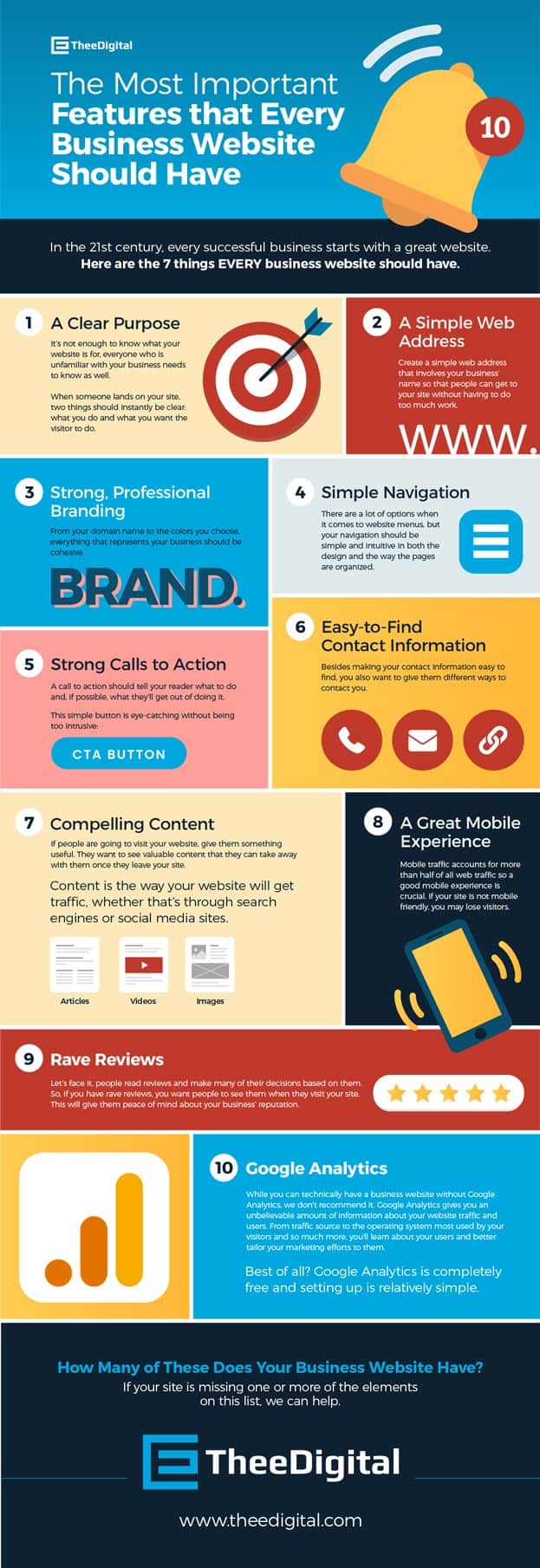
Every website page should include clear navigation, consistent layout, contact details, SEO-friendly content, and responsive design for user engagement.
The 5 golden rules of web design are: ensure easy navigation, use original content, maintain layout consistency, create responsive design, and build memorable URLs. These principles improve user experience and boost SEO effectively.
Every corporate website needs key pages to guide visitors well. The homepage welcomes and directs users clearly. About Us builds trust by sharing your story. A Contact page makes it easy to connect. Privacy Policy shows you respect visitor data.
Including these pages keeps your website simple and helpful. Visitors find information fast and feel confident in your brand. Start with these essentials to create a strong online presence.







Leave A Reply Now