


If your business in the US interacts with customers or partners in Europe, understanding European data laws is no longer optional—it’s essential. You might think these regulations are complicated or only affect companies based in Europe, but that’s not true.
European laws like the GDPR set strict technical requirements that you must meet to protect personal data and avoid hefty fines. This article breaks down the key technical steps your company needs to take, using clear language and practical advice.
By the time you finish reading, you’ll know exactly what actions to implement to keep your business compliant and secure when handling European data. Don’t let legal confusion put your company at risk—get informed now and stay ahead.
US companies face significant challenges due to European Union (EU) data laws. These laws affect how businesses collect, store, and use personal data from EU residents. Understanding these rules is essential to avoid legal penalties and protect customer trust. This section highlights key EU data regulations and their impact on US firms.
The General Data Protection Regulation (GDPR) is the primary EU law affecting US companies. It sets strict rules on data privacy and security. Under GDPR, companies must obtain clear consent before collecting data. They must also allow users to access, correct, or delete their data. Non-compliance can lead to heavy fines.
The EU Data Act is another important regulation. It focuses on data sharing and user rights. This law requires companies to create technical systems that allow easy data access and transfer. Both GDPR and the Data Act aim to give individuals more control over their personal information.
EU data laws apply beyond the EU borders. They cover any company processing data of EU residents. This means US firms must comply if they offer goods or services to EU citizens or monitor their behavior.
The laws apply regardless of where the company is located. Even small US businesses can face penalties if they ignore these rules. Compliance requires understanding data flows and updating technical systems. This ensures data handling meets EU standards, protecting both companies and customers.
The General Data Protection Regulation (GDPR) sets strict technical standards. US companies handling EU citizens’ data must meet these rules. Understanding core GDPR technical requirements helps avoid heavy fines. It also builds trust with European customers.
These requirements focus on protecting personal data throughout its lifecycle. Companies must design systems with data privacy in mind. They need strong encryption and data masking. Secure storage and controlled access are essential. Below are the key technical areas every US company should know.
Data protection must start early in system development. Privacy should be built into software and processes from the start. This means minimizing data collection and limiting access only to needed staff. Systems should allow easy updates to privacy settings. Regular testing ensures that privacy controls work effectively.
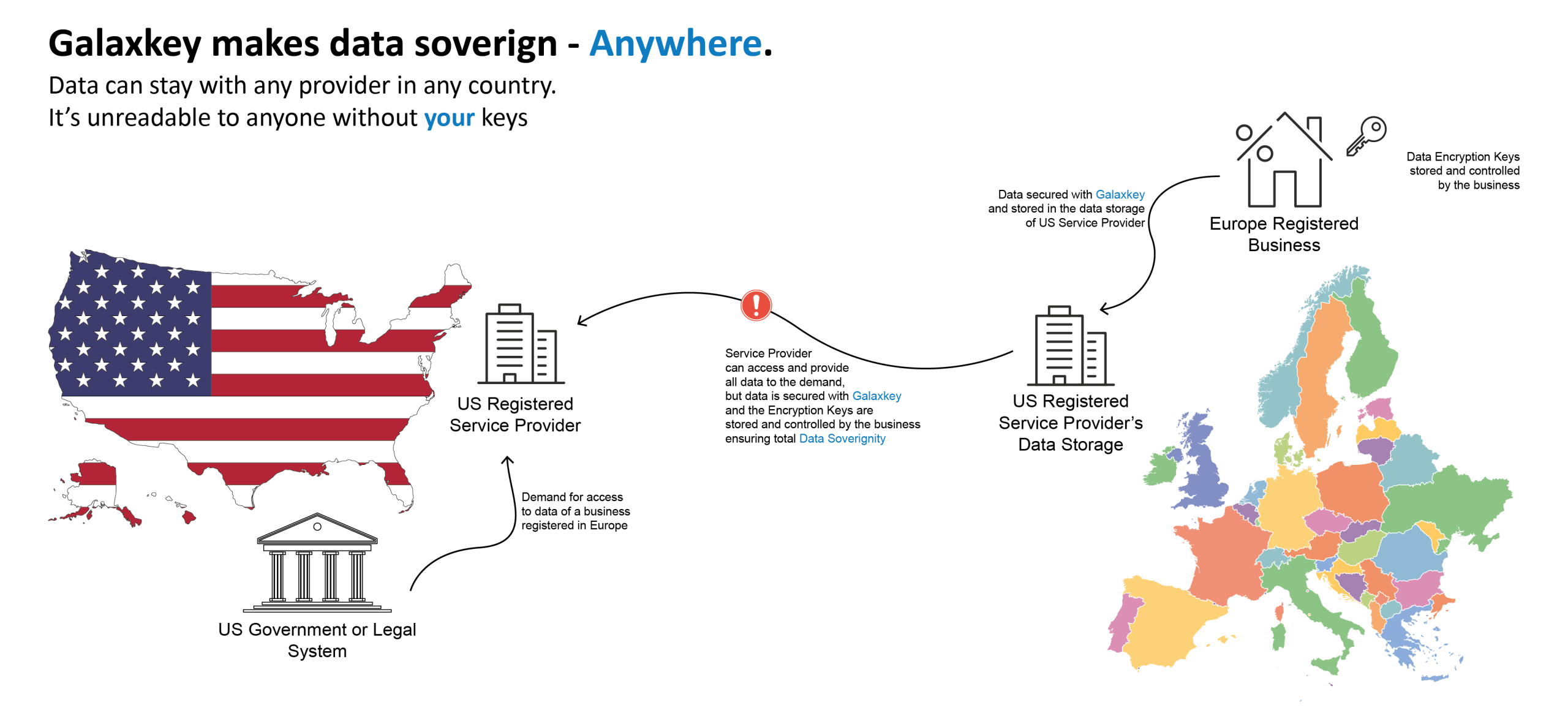
Encrypting data protects it from unauthorized access. Both data in transit and at rest must be encrypted. Anonymization removes personal identifiers, making data unusable for identification. This reduces risks if data leaks occur. Encryption and anonymization are vital tools to secure personal information.
Personal data must be stored securely using strong security measures. Access controls restrict data to authorized users only. Multi-factor authentication adds an extra layer of protection. Logs of data access help detect unauthorized activity. Regular audits check if storage and access rules are followed.
Transferring data from the European Union to the United States requires strict compliance with data laws. US companies must use approved data transfer mechanisms. These mechanisms ensure that personal data stays protected outside the EU. Understanding these options helps companies avoid legal risks and fines. Below are the main data transfer methods companies should know.
The EU-US Data Privacy Framework is a key mechanism for data transfer. It allows US companies to receive personal data from the EU under strict privacy rules. This framework replaces earlier agreements and aims to improve data protection. Companies must self-certify and commit to follow the framework’s standards. This process helps maintain trust between EU citizens and US businesses.
Standard Contractual Clauses (SCCs) are legal contracts approved by the EU. They bind the data exporter and importer to protect personal data. SCCs set clear rules on data use, security, and rights. US companies often use SCCs when no other transfer mechanism fits. These clauses must be included in contracts before data transfer begins.
Binding Corporate Rules (BCRs) allow multinational companies to transfer data internally. They set company-wide policies for protecting personal data. BCRs need approval from EU data protection authorities. This mechanism suits large US companies with multiple EU branches. BCRs ensure consistent privacy standards across all locations.

Credit: www.theguardian.com
Understanding user rights and data access is crucial for US companies handling European data. European laws give individuals control over their personal information. Companies must ensure users can easily access, correct, or delete their data. Clear processes help build trust and comply with regulations.
Users have the right to access their personal data held by a company. They can request a copy of their information in a readable format. Portability means users can transfer their data to another service provider. Companies should build systems that support easy data retrieval and transfer.
Users can ask companies to delete their personal data. This right applies if the data is no longer needed or was collected unlawfully. Correction means users can update inaccurate or incomplete information. US companies must set up processes to handle these requests quickly and securely.
Consent is a key part of European data laws. Companies must get clear permission before collecting or using personal data. Consent management tools help track and store user permissions. These systems also allow users to withdraw consent easily at any time.
Incident response and breach notification are critical for US companies handling European data. These processes protect user privacy and comply with EU laws. A fast and clear response limits damage and legal risks. Every company must prepare detailed plans and follow strict rules for reporting breaches.
Create a clear plan for detecting and managing data breaches. Assign roles and responsibilities to your team. Include steps to contain the breach and assess its impact. Train employees on how to spot and report incidents. Use tools that alert you to unusual activity quickly. Document every action taken during the response for accountability.
Notify the relevant EU authorities within 72 hours of finding a breach. Provide clear details about the nature and impact of the breach. If the breach risks user rights, inform affected individuals without delay. Use simple language in notifications to ensure understanding. Keep records of all notifications and communications. Follow local rules if breaches involve different EU countries.
Credit: www.galaxkey.com
Compliance with European data laws requires robust tools and technologies. US companies must implement solutions that protect personal data and prove regulatory adherence. These technologies simplify complex rules and reduce the risk of violations.
Choosing the right compliance tools helps secure data throughout its lifecycle. It also supports transparency and accountability. The following sections highlight key technologies essential for meeting European data standards.
Data masking hides sensitive information from unauthorized users. It replaces real data with fictional but realistic values. This technique protects privacy during testing, analysis, or sharing.
Masking ensures that personal details do not leave secure environments. It minimizes exposure without losing data usability. US firms handling European data benefit from this technology to meet strict privacy rules.
Audit systems track access and changes to personal data. They create detailed logs for review and investigation. Monitoring tools alert teams about suspicious activities or policy breaches.
These systems provide evidence of compliance and help detect risks early. Continuous monitoring supports ongoing adherence to European data laws. It strengthens trust and accountability within organizations.
Automated checklists guide companies through complex regulatory requirements. They break down obligations into manageable tasks. These tools offer reminders and progress tracking for each compliance step.
Automation reduces human error and speeds up the audit process. It helps US companies stay aligned with evolving European data laws. Clear checklists simplify compliance efforts for all team members.
US companies working with European data must meet strict contractual and vendor rules. These rules protect personal data and ensure legal compliance. Understanding these obligations helps avoid fines and builds trust with European customers.
Contracts with vendors should clearly state data protection duties. They must cover how data is processed, stored, and shared. Companies should regularly review these agreements to keep up with changing laws.
Service agreements must detail the data protection measures vendors use. They should specify roles and responsibilities for data handling. Agreements need to include breach notification timelines and support audit rights. Clear terms help prevent misunderstandings and legal risks.
Companies must assess risks from third-party vendors handling EU data. Conduct due diligence before sharing any personal information. Regular monitoring and audits keep vendor compliance in check. A strong risk management plan protects data and company reputation.

Credit: www.techcontracts.com
Preparing for the EU Data Act is essential for US companies handling data related to Europe. This law sets clear rules on data access and sharing. Understanding the technical demands helps businesses comply and avoid fines.
Companies must build systems that enable smooth data exchange. This includes creating interfaces and updating access controls to meet the new standards.
US companies need to design technical interfaces that allow easy data sharing. These interfaces must support secure and fast data transfer. Compatibility with different systems is crucial to avoid delays.
The interfaces should also provide clear data access points. This transparency helps users control their data effectively. Automated logging of data access ensures accountability and traceability.
Updating data access processes is a key step for compliance. Companies must review who can access data and how they do it. Access controls should be strict and regularly tested for security.
Processes must include clear procedures for data requests and deletions. Timely responses to these requests are required by the law. Training staff on these updates reduces the risk of errors or breaches.
US companies face many hurdles when adapting to European data laws. These challenges stem from different legal frameworks and technical demands. Understanding these issues helps firms avoid costly mistakes and ensure smooth compliance.
The complex nature of EU regulations requires careful planning and ongoing effort. Companies must bridge gaps between US practices and European rules. This section highlights the most common obstacles.
US privacy laws differ significantly from EU rules. The EU’s GDPR sets strict standards for data protection and user rights. US companies must revise their privacy policies to meet these demands.
Many US firms struggle to map their data processes to GDPR requirements. This includes updating consent mechanisms and enhancing transparency. Ensuring data accuracy and security also becomes a priority.
Training staff on EU privacy expectations is crucial. Without it, companies risk violating regulations and facing penalties. Aligning standards means rethinking data collection and storage methods.
Transferring data between the US and EU involves legal and technical challenges. GDPR restricts how personal data moves outside the EU. Companies must implement safeguards like Standard Contractual Clauses or Binding Corporate Rules.
Technical controls are necessary to monitor and secure data transfers. Encryption and access restrictions help protect sensitive information. Tracking where data is stored and processed adds complexity.
Failing to manage cross-border flows properly can lead to fines and reputational damage. US companies need clear strategies and tools to maintain compliance and data integrity.
US companies must comply with GDPR and the EU Data Act. These laws regulate data privacy, user consent, and data access rights for EU citizens. Non-compliance risks heavy fines and legal actions. Understanding these rules is essential for legal and operational success in Europe.
Implement data encryption, regular security audits, and access controls. Maintain clear user consent protocols and data processing records. Employ data protection officers and train employees on GDPR requirements. Technical measures and organizational policies together ensure compliance and protect user data effectively.
US companies must provide interfaces for users to access and share data easily. They need transparent data processing and timely updates on data use. Ensuring interoperability and secure data transfers are also crucial. These requirements promote user control and data portability.
European laws mandate strong data security to protect personal information from breaches. Security failures can lead to fines and loss of customer trust. Companies must implement robust cybersecurity measures and incident response plans to meet these standards.
Understanding European data laws helps US companies avoid fines and legal issues. Stay updated on GDPR and the EU Data Act technical rules. Secure data properly and respect user rights to build trust. Clear contracts and transparent processes ease compliance.
Meeting these requirements protects your business and customers. Start early to manage risks and simplify operations. Compliance is not optional; it is essential for success in Europe.







Leave A Reply Now