


You have a brilliant software idea, but turning it into a working product feels overwhelming. How do you move fast without losing focus or burning through your budget?
The secret lies in building a Minimum Viable Product—an MVP—that captures your core vision and gets you real user feedback quickly. You’ll discover practical steps to develop your software solution from idea to MVP fast. You’ll learn how to prioritize features, streamline development, and avoid common pitfalls that slow you down.
Ready to turn your concept into a tangible, testable product? Keep reading and unlock the fast track to software success.
Validating your software idea ensures you build something users need. It saves time and resources by confirming your concept early. This step helps avoid costly mistakes and guides your development process. Use simple methods to test your idea before moving forward.
Start by pinpointing the main problem your software will solve. Focus on one clear issue that affects your target users. Avoid trying to fix too many problems at once. A well-defined problem creates a strong foundation for your solution.
Ask yourself what pain points users face daily. Understand their challenges deeply. This clarity guides your feature choices and development priorities.
Check if there is a real need for your software in the market. Study competitors and see how they address the problem. Analyze market size and growth potential. Use online tools, surveys, and reports for data.
Look for gaps in existing solutions. These gaps can be your opportunity. Confirming demand reduces risks and increases your chance of success.
Talk to potential users as soon as possible. Share your idea and listen carefully to their thoughts. Use simple prototypes or sketches to explain your concept. Early feedback helps you understand user needs better.
Adjust your idea based on this input. Continuous feedback loops improve your product’s fit with the market. Engaged users may become your first customers later.
Planning your Minimum Viable Product (MVP) is a crucial step in turning your software idea into reality fast. It helps you focus on what matters most and avoid wasting time on unnecessary features. A clear plan guides your team and keeps the project on track.
Effective planning sets a strong foundation for quick development. It makes sure your MVP delivers value early. This stage involves defining features, setting goals, and mapping out the development process.
Start by listing only the core features your software needs. These features solve the main problem for users. Avoid adding extras that can wait for later versions. Keep the scope small and focused.
Ask what users really need to test your idea. Pick features that prove your concept and attract early adopters. Essential features reduce development time and cost.
Set specific goals for your MVP. These goals explain what you want to achieve with the first version. Examples include validating an idea, gaining user feedback, or testing market demand.
Clear goals help measure progress and success. They guide your team’s efforts and decision-making. Write goals that are simple, concrete, and time-bound.
Outline the steps to build your MVP from start to finish. Break the work into small tasks with deadlines. This roadmap provides a timeline and assigns responsibilities.
Plan for quick iterations and testing phases. Include milestones to review progress and adjust the plan. A well-structured roadmap keeps development efficient and focused on delivery.
Designing efficiently is key to turning your software idea into a working MVP fast. Good design saves time by avoiding costly changes later. It also helps create a clear plan for your development team. Focus on simple, user-friendly layouts that solve core problems. This section explains how to design smartly using easy steps and tools.
User flows map out each step a user takes in your software. Sketching these flows early shows how users move through features. This helps spot confusing paths or missing steps fast. Draw simple diagrams with boxes and arrows to visualize the journey. Clear user flows guide your design and development with purpose.
Good user experience (UX) means your software is easy and pleasant to use. Focus on the most important features that users need first. Remove anything that slows or distracts them. Use clear buttons, readable text, and simple navigation. Test designs with real people to find problems early. A smooth UX keeps users happy and engaged.
Rapid prototyping tools help you create quick, clickable models of your software. These tools let you test ideas without writing code. Change designs instantly based on feedback. Popular tools include Figma, Sketch, and Adobe XD. Prototypes show how your app works and feels. This speeds up decision-making and reduces errors in development.

Credit: www.infotech.com
Choosing the right tech stack is a key step in building your software solution fast. It impacts development speed, scalability, and future updates. Picking tools that fit your project’s needs helps create a smooth workflow. It also controls costs and avoids delays.
Consider the size of your team, your timeline, and the project’s complexity. The tech stack should match your goals without adding unnecessary complications. Early choices affect how easily you can add features later.
Development speed depends on the languages and frameworks you use. Some tools offer ready-made components to build features quickly. Others require more coding but give greater control.
Choose technologies with good documentation and strong community support. This reduces time spent fixing bugs or searching for solutions. Tools that your team already knows can speed up coding and testing.
Scalability means your software can grow with more users and features. Simplicity helps you launch fast and avoid complex setups. Find a balance between these two.
Start with a simple design that meets core needs. Use scalable databases and flexible backend systems. This lets you improve and expand without rebuilding everything.
No-code and low-code platforms help create software without heavy coding. They speed up development by using visual tools and pre-built modules.
These solutions work well for MVPs and simple apps. They allow quick testing of ideas and easy changes based on feedback. Choose a platform that fits your project size and integrates with other tools.
Building an MVP quickly is crucial for turning your software idea into reality. Speed helps test your concept early and gather user feedback. The goal is to create a simple, working version of your product fast. This allows you to learn and improve without wasting time or money.
Focus on methods that save time and keep the process efficient. Avoid overcomplicating the product before it proves its value. Use smart strategies to move from idea to MVP in the shortest time possible.
A proof of concept (POC) tests your core idea with minimal effort. It helps check if your solution is possible and practical. Build a small prototype that shows your idea works.
Focus on solving the main problem quickly. Use the POC to gather early feedback and spot risks. This saves time by fixing issues before full development.
Agile methods break work into small, manageable parts called sprints. This allows fast progress and regular review. Teams deliver usable features in short cycles.
Agile promotes constant feedback and quick changes. It helps avoid delays by catching problems early. Keep communication open and adjust plans often to stay on track.
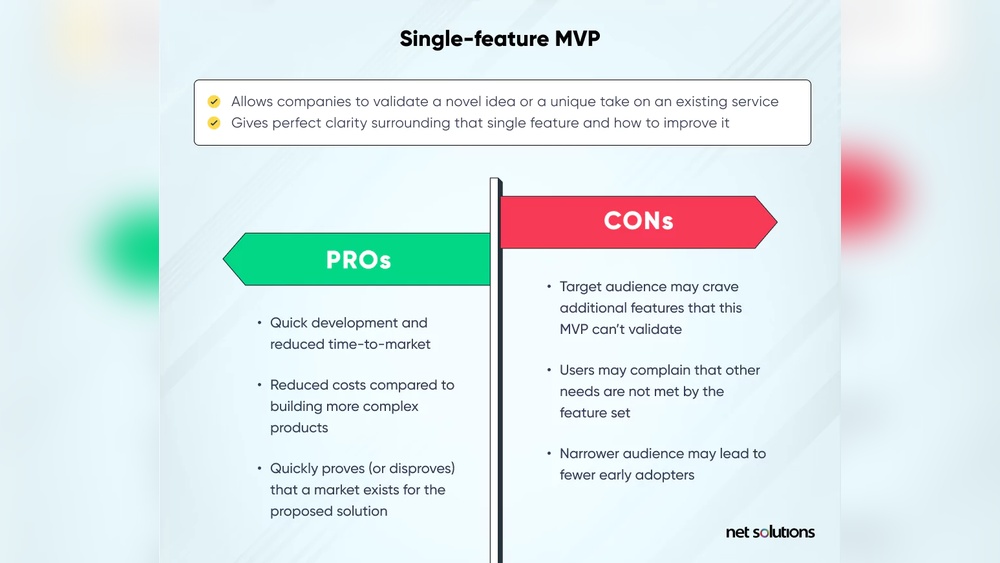
Limit your MVP to essential features only. Avoid adding extras that delay launch. The core functionality should solve the main user problem clearly.
This focus speeds up development and reduces complexity. After launch, use user feedback to decide what to add next. Building too much at once wastes time and effort.

Credit: www.addevice.io
Testing and iteration form the heart of building a strong MVP. These steps help catch problems early. They also make sure the product fits user needs. Testing shows what works and what does not. Iteration refines the software using real feedback. This cycle speeds up development and improves quality.
User testing reveals how real people use your software. Invite a small group to try the MVP. Watch their actions and listen to their thoughts. Note any confusion or errors they face. Testing in early stages saves time and money later. It highlights usability problems that might be missed otherwise.
Collect feedback in clear, simple ways. Use surveys with short questions or quick interviews. Focus on key features and user experience. Keep the process fast to avoid tiring testers. Summarize feedback into common themes and issues. Efficient feedback collection helps decide what to fix first.
Use feedback to improve the MVP step by step. Prioritize fixes that impact user experience most. Make small changes and test again quickly. This approach avoids large delays and costly rework. Each iteration brings the product closer to what users want. Repeat this cycle until the software meets key goals.
Launching and scaling your software solution marks the start of its real journey. This phase tests your ideas with actual users. It reveals what works and what needs change. Moving fast helps you learn quickly. Scaling ensures your product grows with demand. Both require careful planning and smart execution.
Keep deployment simple to avoid delays. Use cloud platforms that offer easy setup and low costs. Automate repetitive tasks like testing and backups. This reduces errors and saves time. Deploy updates in small steps to catch issues early. Focus on core features first, then add extras later. Minimal overhead means less time fixing problems and more time improving your product.
Track how users interact with your software. Use tools that gather data on clicks, time spent, and feature use. This shows which parts users like or ignore. Analyze feedback to find pain points. Quick responses to user behavior improve satisfaction. Data helps prioritize fixes and new features. Monitoring keeps your product aligned with real user needs.
Build a clear roadmap for adding features. Base plans on user feedback and market trends. Prioritize changes that deliver the most value. Prepare your system to handle more users and data. Keep code clean and modular for easier updates. Regularly review goals to stay on track. Thoughtful planning makes scaling smoother and less costly.
Speed and efficiency matter most when developing your software solution. Quick progress helps you test ideas early and adjust fast. You save money and reduce risks by moving swiftly. Follow practical tips to keep your team aligned and work flowing smoothly. Focus on clear communication, smart meetings, and wise use of outside help. These steps lower delays and boost your project’s pace.
Clear communication avoids confusion and mistakes. Use simple tools like chat apps and task boards. Share updates daily to keep everyone informed. Encourage short, focused messages. Avoid long emails and unclear instructions. Make sure each team member knows their role and deadlines. Listen actively and ask questions for clarity. Good communication speeds decision-making and problem-solving.
Too many meetings waste precious time. Limit meetings to essential topics only. Set strict time limits, like 15 or 30 minutes. Prepare an agenda before each meeting. Invite only those who need to be there. Use stand-up meetings to keep discussions brief. Share meeting notes afterward for those absent. Fewer, shorter meetings free up more time for real work.
Outsource tasks that slow your core team down. Choose reliable experts for specialized jobs. This saves time on training and fixes. Focus your team on what they do best. Use clear contracts and deadlines with outside partners. Track progress regularly to avoid surprises. Outsourcing smartly helps finish your MVP faster and with quality.
Credit: www.scnsoft.com
Focus on core features only. Prioritize essential functionality. Use agile methods and small teams. Launch quickly and iterate based on user feedback. Keep the MVP simple to speed development and reduce costs.
Focus on core features, plan thoroughly, use small teams, prioritize tasks, and communicate clearly to speed up software development.
The 40 20 40 rule in software engineering divides project time: 40% planning, 20% coding, and 40% testing and refinement.
Focus on core features and prioritize essential tasks. Use small teams and clear roadmaps. Start with a rough draft, reduce distractions, and iterate based on feedback. Communicate expectations clearly and eliminate unnecessary meetings to speed development.
Developing your software solution quickly starts with clear goals. Focus on essential features for your MVP. Keep your process simple and organized. Test early and listen to user feedback. Small, steady steps lead to better results. Stay flexible and ready to improve.
This approach helps turn ideas into working products fast. Keep learning and adapting as you grow. Your software journey begins now—take the first step today.







Leave A Reply Now