


Choosing the right PHP framework can make or break your business’s web project. You want a solution that saves time, boosts security, and scales as your business grows.
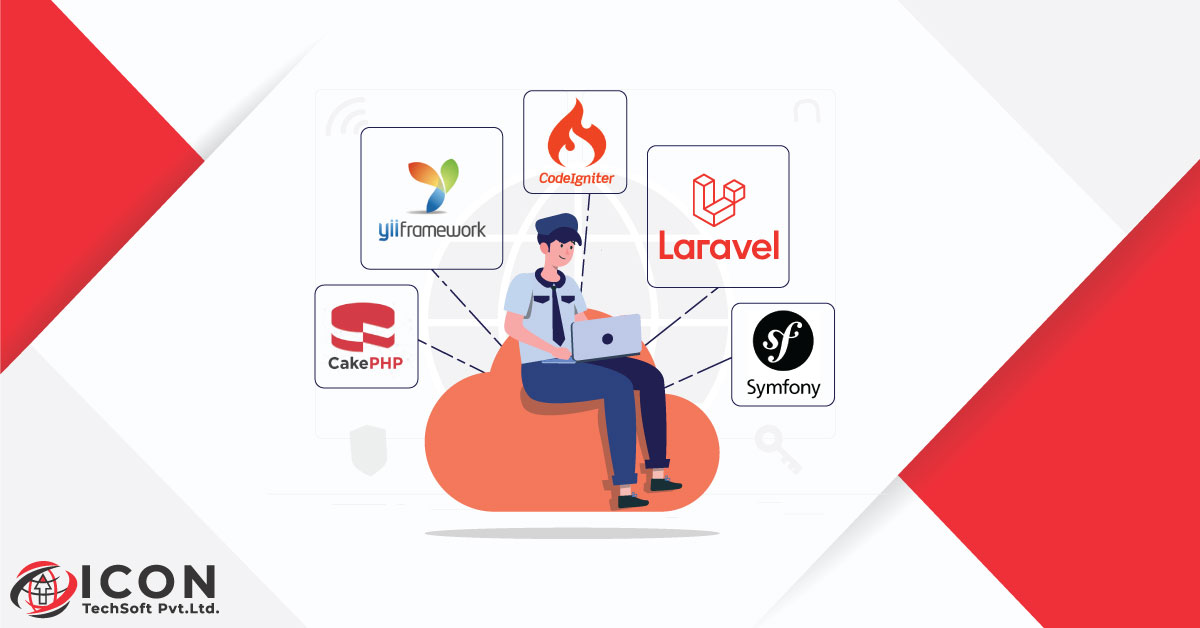
But with options like Laravel, Symfony, CodeIgniter, and others on the table, how do you know which one fits your needs best? This article will guide you step-by-step through the key differences, strengths, and challenges of Laravel compared to other PHP frameworks.
By the end, you’ll feel confident picking the perfect framework that aligns with your goals, budget, and timeline—setting your business up for success from day one. Keep reading to discover the smart way to choose your PHP framework.
Credit: icontechsoft.com
Laravel stands out among PHP frameworks due to its well-rounded features and strong support. It offers developers a smooth coding experience, thanks to its clear syntax and modular design. These advantages help businesses build reliable web applications quickly and efficiently.
Laravel uses simple, readable code that reduces development time. Its modular structure breaks projects into manageable pieces. This approach makes updating and maintaining the code easier. Developers can reuse modules, which saves effort and avoids repetition.
Laravel comes with many ready-to-use tools for common tasks. These include routing, authentication, and database management. The built-in features help developers focus on the business logic instead of routine coding. This speeds up project completion and lowers costs.
A large, active community supports Laravel with tutorials, packages, and forums. This network provides help and resources for developers of all skill levels. The ecosystem includes numerous third-party extensions to add new functions easily. Continuous updates keep the framework modern and secure.
Laravel has robust security measures to protect applications from threats. Features like encryption, secure authentication, and protection against common attacks come standard. The framework also scales well, handling increased users and data without slowing down. Businesses can trust Laravel for both small and large projects.
Many large companies use Laravel for their web applications. It powers e-commerce sites, government platforms, and complex business systems. These real-world examples show Laravel’s reliability and performance under pressure. Choosing Laravel means adopting a framework trusted by top organizations.
Credit: www.netsolutions.com
Choosing the right PHP framework can shape your project’s success. Laravel stands out but other frameworks also offer strong features. Comparing Laravel with other PHP frameworks helps you decide which fits your business needs best.
This section breaks down key differences in performance, learning curve, ecosystem, and job market trends. Understanding these factors guides your choice for a smooth development process and future growth.
Laravel uses many built-in features that may affect speed. Some frameworks like CodeIgniter are lighter and faster in simple tasks. Laravel excels in handling complex apps with many features.
Other frameworks might offer quicker response times but less functionality out of the box. Consider what your project needs more: raw speed or rich features.
Laravel has clear documentation and many tutorials. This makes it easier for new developers to start quickly. Frameworks like Symfony are powerful but require more learning.
Laravel’s elegant syntax and built-in tools improve developer productivity. Developers can write clean code faster, reducing project time and cost.
Laravel has a large ecosystem with many packages and extensions. This allows adding features like payments, notifications, and APIs easily. Other frameworks may lack such a wide variety.
Strong community support means frequent updates and security patches. This helps keep your project safe and up to date.
Laravel remains popular among PHP developers. Many companies use it, creating steady job demand. Some newer languages attract developers, but Laravel’s market is stable.
Trends show more tools and editors support Laravel development. This keeps it relevant and accessible for new programmers entering the field.
Choosing the right PHP framework shapes your project’s success. Laravel stands out for specific business needs. It offers features that suit various scenarios better than other frameworks. Understanding when to choose Laravel helps you make smarter decisions for your project.
Laravel handles complex projects well. Its MVC architecture organizes code cleanly. This makes managing large codebases simpler. The framework supports modular design, easing teamwork. Built-in tools like queues and events boost scalability. Laravel adapts smoothly as your project grows.
Laravel includes strong security features by default. It protects against SQL injection, cross-site scripting, and other threats. Regular updates keep security tight and reliable. Businesses that handle sensitive data benefit from Laravel’s safeguards. It reduces risks without extra coding effort.
Laravel speeds up development with ready-to-use components. Its elegant syntax reduces coding time. Features like routing, authentication, and caching come pre-built. Developers spend less time on setup and more on features. This helps launch products faster with quality assurance.
Laravel supports long-term project health. Its clear structure makes code easier to maintain. Frequent updates improve performance and fix bugs. The large community offers ongoing support and resources. Choosing Laravel means easier updates and smoother future changes.
Choosing the right PHP framework depends on many factors beyond Laravel’s popularity. Other frameworks might be better suited for your business needs in certain cases. Consider the project size, performance demands, your team’s skills, and language preferences. These elements guide the best framework choice.
For small projects, lightweight frameworks work best. Laravel can be too heavy for simple tasks. Slim or Lumen offer faster setup and less overhead. They allow quick development without extra features you do not need. This keeps your project fast and easy to maintain.
Some projects require high performance and low latency. Frameworks like Phalcon, built as a PHP extension, deliver speed better than Laravel. If your app needs to handle many requests per second, consider these options. They provide better performance with less resource use.
Your team’s experience matters a lot. If developers know CodeIgniter or Symfony well, switching to Laravel might slow the project. Use the framework your team masters to save time and reduce errors. Training costs and learning curves can affect deadlines and budgets.
Sometimes, PHP is not the best choice. Businesses using Node.js, Python, or Ruby may want to stay consistent. Using a framework in another language can improve integration and reduce complexity. Pick the framework that fits your overall tech stack and long-term goals.
Cost and timeline are key factors in choosing a PHP framework for your business. These elements influence the overall project budget and delivery speed. Comparing Laravel with other PHP frameworks reveals differences in development speed, hosting needs, and ongoing expenses. Understanding these aspects helps in making a practical decision that fits your business goals.
Laravel offers a clean syntax and built-in tools that speed up coding. Its modular structure allows developers to reuse code easily. This reduces development time compared to some other frameworks. Faster development means lower labor costs and quicker project delivery.
Other PHP frameworks might require more manual setup or lack integrated features. This can increase the time developers spend on routine tasks. Choosing Laravel can improve efficiency, especially for complex applications.
Laravel runs smoothly on most shared and cloud hosting platforms. It requires moderate server resources but performs well under load. Some frameworks might need specialized hosting or higher server specs, raising costs.
Laravel’s compatibility with popular databases and services reduces infrastructure expenses. This flexibility helps businesses avoid costly hardware upgrades or custom server configurations. Hosting costs remain predictable with Laravel.
Laravel benefits from a large community and regular updates. This lowers maintenance challenges and security risks. Finding skilled developers for Laravel is generally easier, which reduces support costs.
Other frameworks might have smaller communities or slower updates. This can increase time spent on fixing issues or adapting to new technologies. Long-term support costs tend to be higher without active community help.

Credit: medium.com
The future of PHP frameworks holds many exciting developments. These changes will influence which framework suits your business best. Understanding future trends helps in making a smart choice.
New tools keep PHP frameworks modern and efficient. Features like built-in APIs and better caching improve speed. Frameworks integrate with cloud services for easier deployment. Automation tools reduce manual coding and errors. These advancements make PHP frameworks more powerful and user-friendly.
Strong communities support popular PHP frameworks. They provide tutorials, plugins, and security updates. Some frameworks gain users faster due to ease of use. Shifts happen when developers prefer newer or simpler tools. A growing community means better support and faster problem solving.
Languages like JavaScript and Python influence PHP frameworks. Some developers mix PHP with these languages for better features. Trends in other languages may push PHP frameworks to adapt. This competition drives innovation and better performance. Choosing a framework that embraces these changes is smart.
Choosing the right PHP framework for your business impacts project success. Practical tips help simplify this decision. Focus on key factors that fit your project’s needs and team capabilities. Think about future growth and test ideas early. These steps reduce risks and improve outcomes.
Start by listing your project’s main needs. Consider the size and complexity of the application. Identify features like user management, APIs, or real-time updates. Check if the framework supports these out of the box. Look for flexibility to add custom functions. Match the framework’s strengths with your project’s goals.
Review your team’s experience with PHP frameworks. Choose a framework your developers know well. This reduces training time and speeds development. If the team is new to frameworks, pick one with good documentation and tutorials. Consider the availability of community support. A familiar framework helps maintain code quality and efficiency.
Think about how your project will grow over time. Select a framework that scales with increasing users and data. Ensure it receives regular updates for security and features. Check if the framework integrates easily with other tools and services. Choose one that fits your business plans for the next few years.
Build small prototypes using the shortlisted frameworks. This hands-on test shows how each framework handles your requirements. Evaluate speed, ease of coding, and error handling. Get feedback from your developers on their experience. Prototypes reveal hidden challenges and help make a confident choice.
Laravel excels with its elegant syntax, built-in tools, strong security, and active community, making development faster and scalable.
Laravel remains relevant in 2025 due to its elegant syntax, strong community, robust security, and scalability for modern web applications.
Laravel is a PHP framework offering built-in tools, security, and scalability for complex apps. PHP alone suits small, simple projects due to faster execution and less overhead. Choose Laravel for structure and features; pick PHP for speed and lightweight tasks.
Nike uses Laravel indirectly through Twill, an open-source CMS built on Laravel, for their editorial platform.
Choosing the right PHP framework depends on your business needs and project goals. Laravel offers ease of use, strong security, and a helpful community. Other frameworks might suit simpler or more specialized tasks better. Consider factors like scalability, developer availability, and project complexity.
Test a few options before deciding. The best choice supports your team and helps your business grow steadily.







Leave A Reply Now