



Are you struggling to market and sell custom solutions that truly stand out? You know your product is unique, but reaching the right customers and closing high-ticket deals can feel overwhelming.
What if you had a clear strategy for generating quality leads, setting the perfect price, and turning prospects into loyal buyers? This article will guide you step-by-step to master lead generation, pricing, and sales tactics designed specifically for custom solutions.
Keep reading to discover proven methods that can boost your confidence and increase your sales faster than you thought possible.
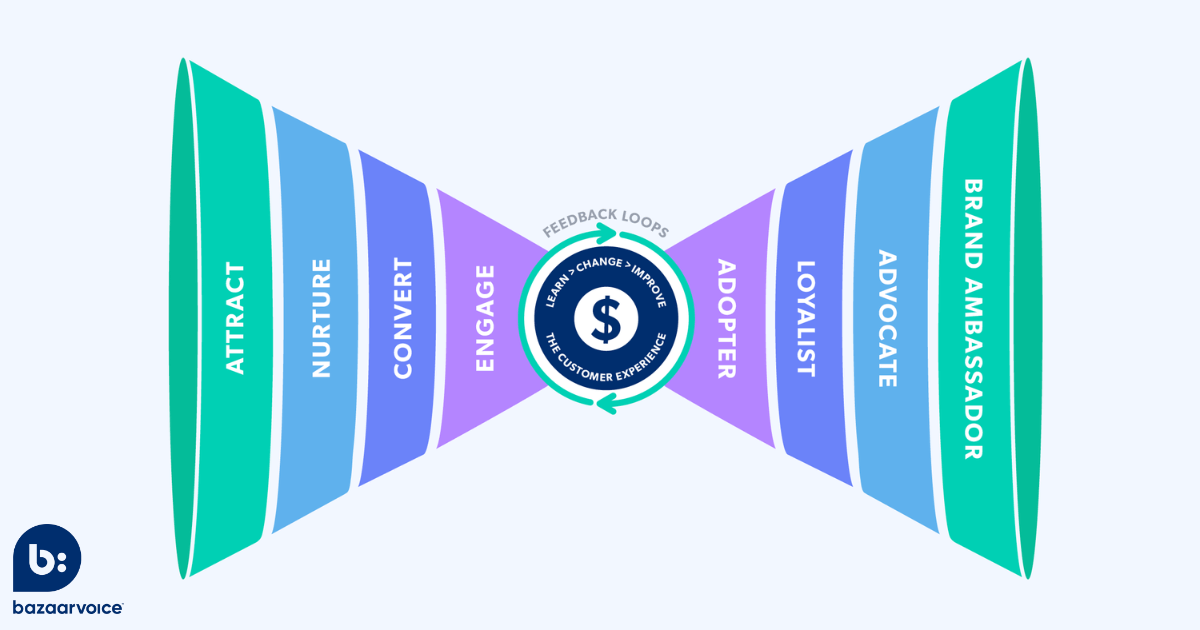
Credit: www.bazaarvoice.com
Understanding who needs custom solutions is key to successful marketing and sales. Custom solutions fit unique problems that off-the-shelf products cannot solve. This guide helps identify the right customer personas. Knowing these personas improves lead generation, pricing, and high-ticket sales strategies.
Custom solutions often attract businesses with special needs. Here are some common types:
These businesses face challenges that require personalized approaches.
Identify the people who decide to buy custom solutions. They usually include:
Understanding their goals helps tailor your pitch and pricing.
Custom solutions solve specific problems. Typical pain points are:
| Pain Point | Description |
|---|---|
| Lack of Integration | Systems do not work well together, causing delays. |
| Scalability Issues | Current solutions cannot grow with the business. |
| Complex Workflow | Standard products do not fit unique processes. |
| Regulatory Compliance | Needs strict controls that general software lacks. |
Customers for custom solutions often have higher budgets. They value:
Price sensitivity is lower than with mass-market products.
Understanding why customers buy helps in lead generation and sales. Common triggers include:
Address these motivations clearly in your messaging.
Pricing custom services can be tricky. Choosing the right method affects your sales and customer trust. Three common ways include hourly, project, and value-based pricing. Each method suits different projects and clients. Understanding these helps set clear expectations and fair compensation.
Hourly pricing means charging clients for every hour worked. This method is simple and easy to explain.
Set your hourly rate by considering your experience, market rates, and costs. Track your hours carefully to avoid disputes.
Project pricing offers a set price for the entire work. Clients know the total cost upfront.
Estimate all tasks, time, and expenses before quoting. Add a buffer for unexpected issues.
Value-based pricing focuses on the results your service delivers. Prices reflect the client’s gain, not just your time.
Discuss the client’s goals and measure potential value. Price your service as a share of that value.
| Pricing Method | When to Use | Advantages | Disadvantages |
|---|---|---|---|
| Hourly | Unclear scope, ongoing tasks | Simple, pays for all time | Clients worry about cost rise |
| Project | Clear goals, fixed scope | Easy budget, motivates speed | Risk of underestimating work |
| Value-Based | High-impact results | Higher earnings, client alignment | Difficult to calculate, needs trust |
High-ticket sales require a different approach than selling low-cost products. Custom service providers must build trust and show clear value. These sales often involve longer conversations and more personal attention. Using the right techniques can help close big deals and grow your business steadily.
Start by listening carefully. Ask open-ended questions to discover the client’s pain points and goals. This helps you tailor your solution perfectly. Clients pay more when they feel understood and see that your service solves their exact problems.
High-ticket sales depend on trust. Spend time connecting with clients personally. Follow up regularly and provide helpful information without pushing too hard. Show genuine interest in their success. This builds loyalty and makes clients more likely to buy.
Explain benefits clearly and simply. Use examples, case studies, or testimonials that prove your service works. Highlight results clients can expect. Focus on outcomes, not just features. This makes the price feel justified and worth the investment.
Act as an advisor, not just a seller. Guide clients through options and help them choose what fits best. This approach makes clients feel supported and respected. It reduces objections and speeds up decisions.
Prepare proposals that match each client’s needs. Include detailed descriptions, clear pricing, and timelines. Use tables to organize information clearly:
| Service Component | Description | Price | Delivery Time |
|---|---|---|---|
| Initial Consultation | Assess client needs and goals | $500 | 1 Week |
| Custom Solution Design | Create tailored service plan | $2,000 | 2 Weeks |
| Implementation Support | Guide through setup and use | $1,500 | 3 Weeks |
Clear proposals reduce confusion and show professionalism.
Prepare for common questions about price, timing, or results. Answer calmly with facts and examples. Reassure clients by explaining how your service meets their needs. Use phrases like “I understand your concern” and “Here is how we address that”.
End sales conversations by summarizing the agreement. Confirm client’s interest and outline what happens next. Use simple language like:
Thank you for choosing our service. We will send the contract by tomorrow. Once signed, we begin work immediately. Clear steps make clients feel confident and ready to commit.
Finding the right clients for custom solutions requires smart use of key channels. LinkedIn, SEO, and email stand out as powerful tools. Each offers unique ways to connect with prospects, build trust, and generate leads. Using them well boosts chances of landing high-value clients. Below is a closer look at how these channels work best.
LinkedIn is a top platform for B2B marketing. It connects you directly to decision-makers in companies. Use it to share valuable content and showcase your expertise.
Consistency is key. Regular posts and comments keep you visible and build trust.
SEO drives organic traffic to your website. It helps potential clients find you by searching for custom solutions.
Focus on:
SEO takes time but builds long-term, steady leads without ongoing ad costs.
Email marketing is direct and personal. Use it to nurture leads and move them through the sales process.
Emails keep your business top of mind and help close high-ticket sales.
Case studies are powerful tools that show your success with real clients. They build trust and make your custom solutions easy to understand. Creating case studies that close clients instantly means showing clear results, telling a strong story, and highlighting your unique value. This section explains how to build case studies that help you win high-ticket sales fast.
Pick a client whose problem matches your ideal customer’s pain. The story should be relatable and show a clear challenge you solved. Avoid complex or vague cases. Focus on simple, strong examples that highlight your skills and results.
Use a simple format to keep readers interested. A good case study includes:
This clear flow helps clients quickly see your value.
Numbers prove your success. Add charts, tables, or graphs to show results. For example:
| Metric | Before | After | Improvement |
|---|---|---|---|
| Sales Increase | 10% | 35% | +25% |
| Time Saved | 20 hours/week | 5 hours/week | -15 hours/week |
Visual proof builds trust and keeps attention.
People remember stories better than facts alone. Write your case study like a story with a beginning, middle, and end. Show the client’s struggle, your solution, and the positive result. Use simple language and focus on emotions like relief, success, or growth.
Include quotes from your client to add credibility. Real words from real people help future clients trust you. Place testimonials near the results to reinforce your impact.
Finish each case study by guiding readers on the next step. Use phrases like:
This encourages potential clients to act immediately.
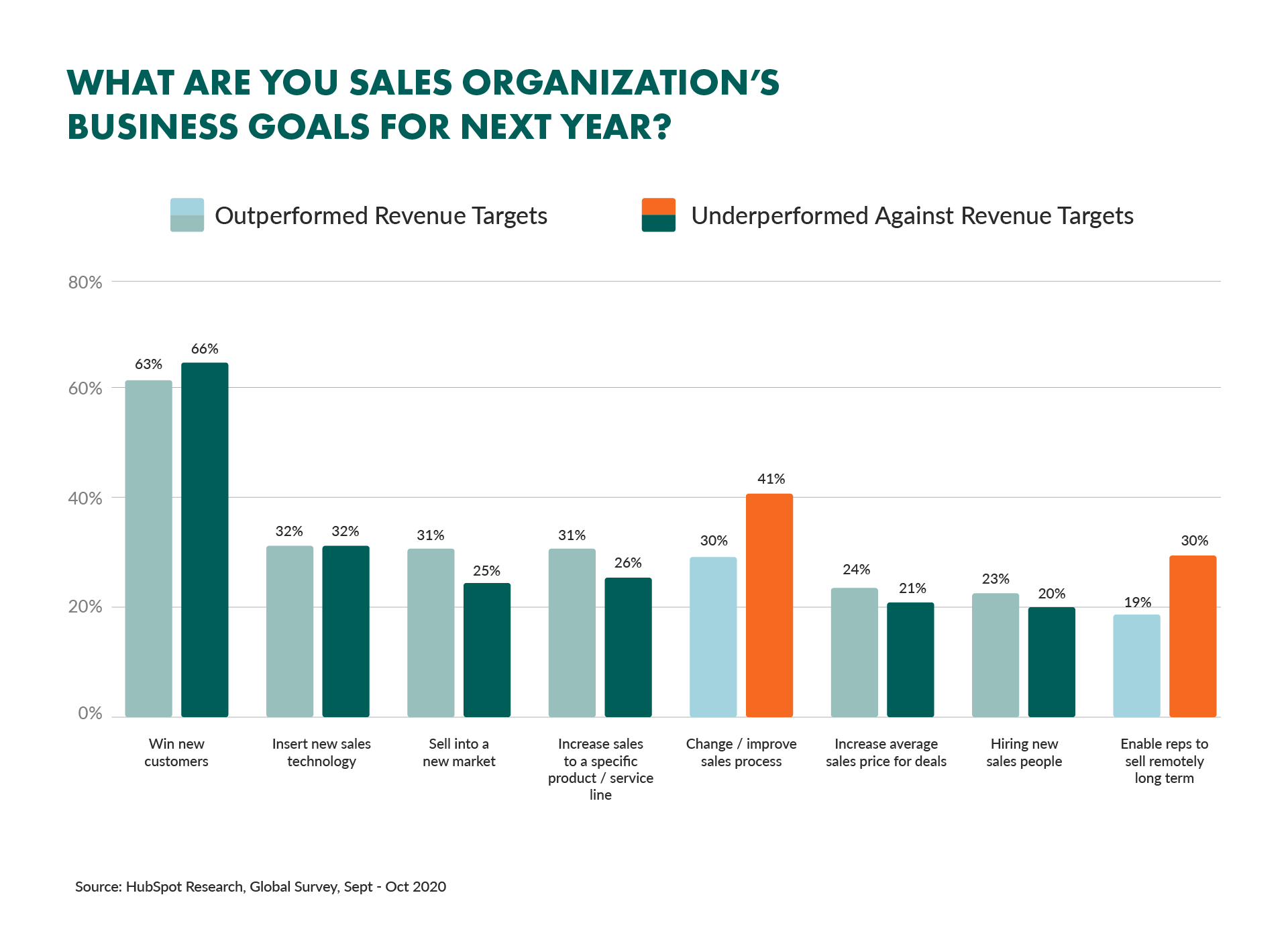
Credit: www.superoffice.com
SEO Strategy for Custom Solution Agencies (2026 Edition) is key to attracting the right clients and growing your business online. Custom solution agencies face unique challenges. Their services are complex and tailored, so they need specific SEO tactics to reach the right audience.
This section covers practical steps to improve your website’s visibility. It explains how to find the best keywords, optimize content, and build authority. Use these tips to bring quality leads that convert into high-ticket sales.
Start with keywords that match your agency’s services. Focus on long-tail keywords. They have less competition and attract specific clients.
Group keywords by service type and client needs. This helps create targeted content and landing pages.
Optimize your pages for both users and search engines. Important elements include:
| SEO Element | Best Practices |
|---|---|
| Title Tags | Include main keywords. Keep under 60 characters. |
| Meta Descriptions | Clear and engaging. Use primary and related keywords. |
| Headings (H1, H2, H3) | Structure content. Use keywords naturally. |
| URL Structure | Short, descriptive URLs with keywords. |
| Content | Informative and easy to read. Use bullet points and short paragraphs. |
Content helps explain complex solutions simply. Focus on:
Use keywords naturally in all content. Add visuals like charts and infographics to increase engagement.
Technical health supports all SEO efforts. Check these areas regularly:
Links from trusted sites boost your authority. Try these methods:
Focus on quality over quantity. One strong link beats many weak ones.
Packaging custom services can feel tricky. You want to offer clients clear options but keep flexibility. Clear packages help clients understand what they get. Flexibility lets you adjust to their unique needs. Striking the right balance improves sales and client satisfaction. This section explains how to package custom services without limiting your ability to tailor solutions.
Start by breaking your service into core modules. Each module is a key part of your offering. Clients can pick modules based on their needs. This method keeps your service organized but adjustable.
Offer tiered packages that cover basic to premium levels. Each tier includes a set of services at a fixed price. Add optional services as add-ons clients can choose. This approach gives clients clear choices and room to customize.
| Package Tier | Included Services | Add-Ons | Price Range |
|---|---|---|---|
| Basic | Consultation, Strategy Outline | Extra Revisions, Reporting | $500 – $800 |
| Standard | Basic + Implementation Support | Additional Training, Priority Support | $900 – $1,500 |
| Premium | Standard + Full Management | Custom Integrations, Dedicated Manager | $2,000+ |
Describe each package and add-on in plain words. Avoid jargon that confuses clients. Clear descriptions help clients understand value and make decisions faster.
Some clients need services outside your packages. Offer custom quotes for these requests. This keeps flexibility while showing you can adapt. It also creates trust by listening to client needs.
Flexibility has limits. Set clear boundaries to avoid scope creep. Define what is included in packages and what costs extra. This protects your time and keeps projects profitable.

Credit: learn.g2.com
Building trust is key to selling custom solutions. Buyers want to feel confident before making a big purchase. Social proof and transparency help create that confidence. Showing real results and being open about your process makes customers more comfortable. This section explains how to use these strategies to gain trust and increase sales.
Social proof means showing proof that others like your product or service. It can be reviews, testimonials, case studies, or client logos. People tend to trust what others say more than what a company claims itself.
Transparency means sharing clear and honest information. It helps customers understand what to expect. Being open about pricing, timelines, and challenges shows respect. It reduces doubts and makes buyers feel safe.
Testimonials and case studies should highlight real benefits. Use short quotes with names and photos when possible. Case studies need to tell a story with a problem, solution, and result. This format helps potential clients see how your solution fits their needs.
| Element | Description |
|---|---|
| Problem | What challenge the client faced |
| Solution | How your custom solution helped |
| Result | Specific outcomes like cost savings or growth |
Place social proof where buyers look first. Use a mix of:
Make the proof easy to read and visually appealing. Use stars, photos, and quotes to catch attention.
Clear pricing avoids confusion and mistrust. Show what is included and what costs extra. For custom solutions, explain how pricing varies by scope. Transparency about deliverables ensures clients know what to expect.
The discovery call is a key step in selling high-value custom solutions. It helps you understand your client’s real needs and build trust. A clear call template guides the conversation, making sure you cover all important points. This saves time and makes your offer more appealing. Use a simple structure to keep the call focused and productive.
Before the call, research the client’s business and industry. Know their challenges and goals. Prepare questions that explore their current situation and pain points. Set a clear agenda to explain the call’s purpose and time frame. This builds professionalism and shows respect for the client’s time.
| Call Section | Purpose | Example Questions/Statements |
|---|---|---|
| Introduction | Set expectations and build rapport | “Thank you for your time. I want to understand your needs better.” |
| Client Background | Learn about the business and challenges | “Can you tell me about your current challenges?” |
| Solution Fit | Explain how your solution helps | “Based on what you said, we can help by…” |
| Budget & Timeline | Discuss financials and deadlines | “What budget have you allocated for this project?” |
| Next Steps | Plan follow-up actions | “I will send a proposal by next week. Shall we schedule a follow-up call?” |
Proposal to Payment: Complete Sales Funnel for Custom Solutions covers every step from presenting your offer to receiving payment. This process builds trust, shows value, and guides clients smoothly. Custom solutions need clear communication and strong follow-up to close deals.
A proposal must match the client’s needs exactly. Start with a clear summary of the problem and your solution. Use simple language and focus on benefits.
Use bullet points and short paragraphs for easy reading.
Present the proposal confidently. Use video calls or face-to-face meetings to explain key points. Pause for questions and listen carefully.
Be ready to discuss pricing and terms. Stay flexible but protect your value. Use these tips:
Send a clear invoice once the agreement is signed. Include:
| Invoice Element | Description |
|---|---|
| Invoice Number | Unique ID for tracking |
| Client Details | Name, address, contact |
| Payment Terms | Due date, method options |
| Itemized Charges | Breakdown of costs |
Follow up on payment politely if delayed.
Generate leads by targeting niche audiences with personalized content. Use social media, email marketing, and SEO strategies. Offer free consultations or demos to attract qualified prospects interested in custom solutions.
Use value-based pricing by assessing client needs and benefits. Avoid cost-plus models; instead, highlight ROI and unique features. Offer tiered packages to cater to different budgets and increase sales potential.
Build trust through case studies, testimonials, and personalized communication. Focus on problem-solving and ROI in your pitch. Use consultative selling to address client pain points and justify premium pricing.
CRM platforms, LinkedIn Sales Navigator, and email automation tools work well. Use analytics to track engagement and optimize campaigns. These tools help target and nurture high-quality leads efficiently.
Selling custom solutions takes clear plans and smart moves. Focus on finding the right customers first. Set prices that show your value but stay fair. Use strong sales steps to build trust and close deals. Keep learning from each sale to improve your approach.
Success grows from patience and good communication. Stay ready to adapt as markets and needs change. Your effort will bring steady growth and loyal clients. Keep your goals clear and work with care.







Leave A Reply Now